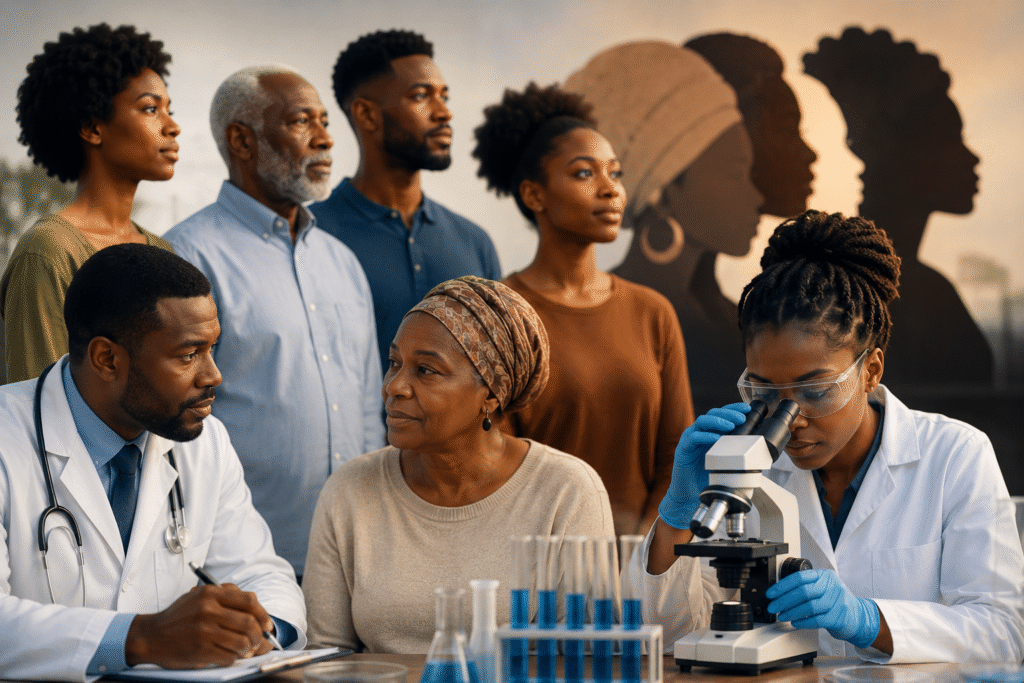



Have you ever wondered why diseases or medications affect people differently? Take for instance the corona virus: why does this virus make some people sick, asymptomatic, or placed in ICU or the cause of death? Or better yet, how about medications such as opioids, sedatives, or NSAIDS: why does the same dose of medications cause individuals to be experience overdose, side effects, or death? The answer to these questions is due to one major concept: the human genome. The human genome refers to all the genetic material in the cells of an organism; in this case, humans (Lewis, 2003). These genomes, which consist of 28,000-34,000 protein coding genes are scattered among three billion DNA bases in every human cell (Lewis, 2003). None of us as individuals have the same genetic makeup. During the process of mitosis, these cells replicate, maintain body functions, and eradicate cells going through apoptosis. Due to changes in the genome, via disease, medications, or environmental contaminants, mutated genes may occur and are passed down from generation to generation. The purpose of this blog is to not only shed light on the human genome but also will discuss the benefits of genomic DNA testing and its effect on women’s health.
Biotechnology refers to a set of tools that use organisms to solve problems or produce products. In the field of biotechnology, many tools such as restriction enzymes, cloning vectors, and a competent host, have focused on understanding and manipulating DNA. As a result of DNA manipulation, both desirable and undesirable genes can be produced in the host. The process of DNA manipulation involves introducing a single gene or genes into an organism to confer a certain trait or removing a gene or genes to affect a certain trait (Dale & Schantz, 2008).
Biotechnology has been a driving force to the advancements of patient care. Advances in genetics research have slowly transformed the practice of medicine. Genetic mutations, also known as gene variants, can cause a variety of genetic disorders or diseases. Most genetic and genome testing are centered around treatments and cure of different cancers. For example, the current treatment for cancer is chemotherapy. Although chemotherapy eradicates the cancer cells, this treatment also destroys normal cells, causing additional problems. Biotechnology may play a role in the curing of cancer because the genetic manipulation of the DNA may cause the oncogene to become ineffective by eliminating its expression (McKenzie et al, 2020). In addition, biotechnology, in terms of patient care, sets the stage for targeted therapy based on the patient’s DNA.
There is a difference between genetic and genome testing. Dana-Farber Cancer Institute (2018) emphasized that genetic testing consists of looking at a specific gene or a set of genes whereas genome testing looks at all genes of the patient’s DNA. Unlike genetic testing, genome testing looks at how combinations of many genes, non-gene DNA, and environmental factors interact to cause disease. Genomic testing is most typically done using a blood sample that looks for inherited genetic changes as well. inherited genomic testing also looks at the make-up of genes a person is born with that can affect cancer risk. If an inherited gene mutation is found, then other members of a family could have it, too. For example, let’s take for instance the BRCA1 and BRCA2 genes. These tumor-suppressor genes protect against abnormal proliferation of cells. However, certain mutations in these genes prevent them from working properly, resulting in breast, ovarian, and other cancers. Both BRCA1 and BRCA2 mutations are hereditary. If family members have a strong history of breast or ovarian cancer, other family members may have the mutation as well (Dunphy et al, 2015). Both genomic and genetic testing is beneficial in these situations because it allows doctors to determine the likelihood of women getting cancer by studying the mutation and providing customized treatment, which is based on the patient’s genome. Gene therapy is also beneficial to women’s health; it allows new genetic material to be inserted into a patient’s cell to correct an inborn genetic error or introduce new biological function to the cell (Tindal et al, 2014).
In conclusion, genomic testing will allow the patient to have complete knowledge of their genetic makeup and they can decide whether they want to have children, test results can provide a sense of relief from uncertainty, and help people make informed decisions about managing their health care (National Library of Medicine, 2020).
REFERENCES
Dale, J.W., Shantz, M.V. (2008). From Genes to Genomes: Concepts and Application of DNA Technology. Hoboken, NJ: John Wiley and Sons Publishing.
Dana-Faber Cancer Institute (2018, November 1). What is Genomic Testing? Retrieved from: https://blog.dana-farber.org/insight/2018/11/what-is-genomic-testing/
Dunphy, L.M., Winland-Brown, J.E., Porter, B.O, Thomas, D.J (2015). Primary Care: The Art and Science of Advanced Practice Nursing (4TH ed). Philadelphia, PA: F.A. Davis Company.
Lewis, R. (2003). Human Genetics: Concepts and Applications (5TH ed). New York, NY: McGraw-Hill.
McKenzie, S.B., Landis-Piwowar, K., Williams, J.L. (2020). Clinical Laboratory Hematology (4TH ed). Pearson.
Tindall, W.N., Sedrak, M.M., Boltri, J.M. (2014). Patient-Centered Pharmacology: Learning System for the Conscientious Prescriber. Philadelphia, PA: F.A. Davis Company.
U.S National Library of Medicine (2020, September 17). What are the Benefits of Genomic Testing? Retrieved from: https://medlineplus.gov/genetics/understanding/testing/benefits

Nakia L. Miller is an accomplished Assistant Medical Writer with extensive expertise in clinical research and a steadfast commitment to advancing healthcare through evidence-based practices. Her professional objective is to make significant contributions to clinical research by utilizing her strong interpersonal, technical, and organizational skills to improve patient outcomes and further scientific innovation.
Nakia earned a Master of Science in Biotechnology from Claflin University, a Bachelor of Science in Biology from Morris College, and a Certificate in Medical Laboratory Science from Prisma Health, providing her with a solid scientific foundation in medical writing and research.
Raised in a military family and born in Heidelberg, Germany, she brings valuable multicultural insights and possesses introductory conversational abilities in German, Spanish, and American Sign Language (ASL). In addition to her clinical research pursuits, Nakia is committed to achieving fluency in ASL to serve as a medical interpreter for individuals who are deaf or hard of hearing.