Rethinking Diversity in Clinical Research: Progress Under Pressure
Diversity in Clinical Research: A Scientific Imperative Under Threat
Diversity in clinical research isn’t just a fairness issue it’s a scientific one. For decades, medical studies have disproportionately enrolled white, male participants, leading to blind spots in treatment efficacy and safety for underrepresented groups. In recent years, both the scientific community and regulators have pushed for improvements. But as political winds shift, efforts to broaden representation are encountering fresh obstacles including aggressive rollbacks of DEI (Diversity, Equity, and Inclusion) initiatives.
Early Momentum and Institutional Support
- FDA & NIH Priorities
From 2020 to 2022, the FDA introduced guidance urging sponsors to include diversity action plans with trial proposals, while the NIH strengthened requirements to involve women and racial/ethnic minorities in NIH-funded studies. (Source: ajmc.com)
- Industry & Community Engagement
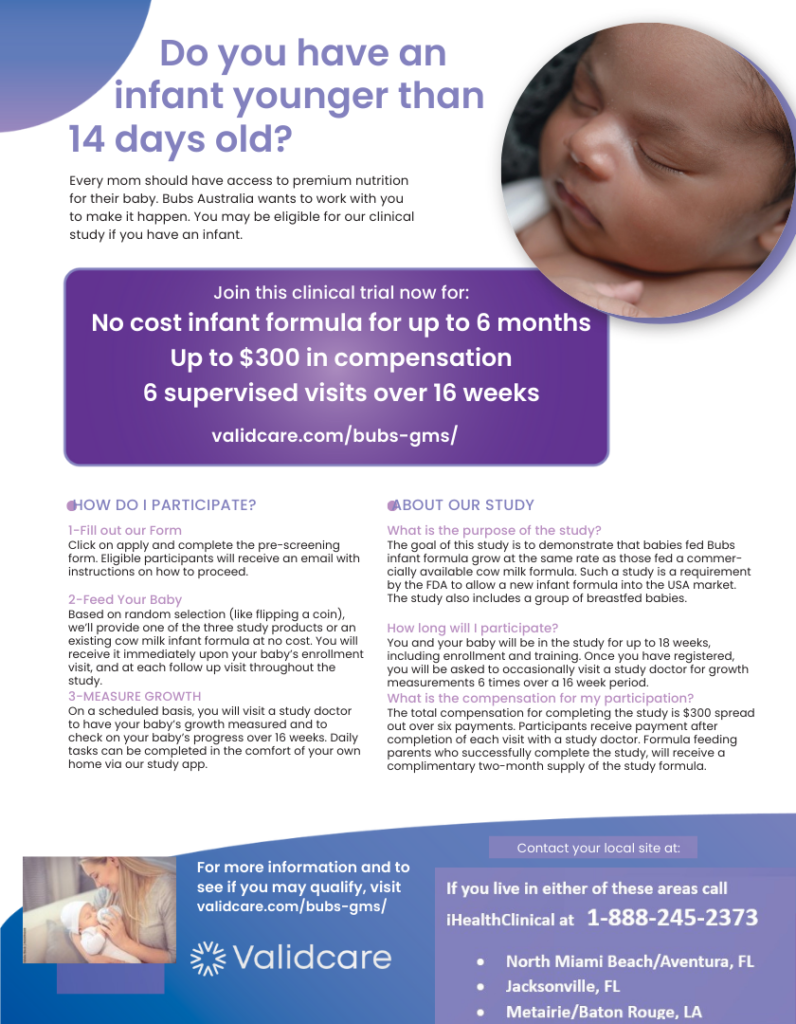
Pharmaceutical companies and research institutions increasingly partnered with community groups, used targeted recruitment, and launched decentralized trial models to better reach underserved populations.
Anti-DEI Edicts and Their Fallout
In early 2025, President Trump issued sweeping executive orders namely EO 14151 and EO 14173 targeting DEI programs across federal agencies, contractors, and grant funded research. These orders mandated the removal of DEI related language, halted equity programs, and effectively dismantled federal support systems designed to promote inclusive research.
Key Impacts:
- Purged Federal DEI Offices & Funding – DEI-branded roles were eliminated, and terms like “inclusion” were banned from federal websites.
- FDA Guidance Removed – The FDA quietly withdrew its clinical trial diversity guidance.
- NIH & NSF Grant Cuts – Over 2,000 NIH grants many tied to health equity, LGBTQ + research, or minority led projects were canceled or frozen. This included a $9 million UCSF trial supporting guaranteed income among Black youth, now abruptly halted.
- Federal Agency Restructuring – The National Science Foundation lost 75% of fellowships and paused peer-review to eliminate DEI-related funding.
Real-World Consequences for Trials
- Slowed Momentum in Inclusive Trials
Without federal leadership, trials in oncology, cardiovascular health, and vaccine research are falling short on participant diversity.
- Erosion of Community Trust
The abrupt cancellation of health equity and support trials has damaged relationships with communities that had engaged in good faith.
- Ripple Effects on Workforce
The cuts jeopardize the future of minority scientists and clinicians, reducing access to fellowships and early-career grants. (Sources: sfchronicle.com, theguardian.com)
Legal Push-Back and the Road Ahead
Several federal courts and advocacy groups have challenged the rollbacks:
- Boston Federal Court (June 2025)
Ruled that the Trump era DEI cuts targeting racial and LGBTQ + grants were discriminatory and ordered the reinstatement of funding. (Source: reuters.com)
- NGO Lawsuits
Organizations like the ACLU, state attorneys general, and universities have filed lawsuits to block NIH and NSF from implementing DEI related funding cuts.
While legal action offers hope, the long-term impact of halted studies and lost talent remains deeply concerning.
Global Shift and Strategic Rebalancing
As the U.S. contends with internal challenges, European regulators and research organizations are stepping up, launching clinical trials with robust diversity frameworks. Meanwhile, U.S. institutions are adapting doubling down on decentralized trial models and strengthening local partnerships to preserve DEI goals without federal support.
Looking Ahead
Restoring DEI in clinical research will require a multifaceted strategy:
- Reinstating Guidance and Funding
Agencies like the NIH, FDA, and NSF must rebuild equity programs and reinstate canceled grants.
- Supporting Affected Researchers
Bridge grants and emergency funding are crucial to avoid a lasting brain drain.
- Sustaining Legal Oversight
Continued judicial checks are vital in resisting ideologically motivated rollbacks.
- Empowering Ground-Level Resilience
Community coalitions, decentralized technologies, and public private partnerships will be key to long-term progress.
Conclusion
Substantial gains in diversifying clinical research have been undermined by recent anti DEI policies resulting in canceled trials, broken trust, and disrupted talent pipelines. Judicial intervention and international momentum offer hope, but restoring leadership in equitable research will require both top-down policy reform and grassroots resilience.
Myra Fonville is the Executive Editor of Interim Visits magazine. Myra is a former pharmacist who has worked in the clinical research industry for the past 28 years. She brings a wealth of knowledge about pharmacy, pharmaceuticals and clinical research. Myra is very passionate about diversity and health equity which is one of the primary reasons Interim Visits is educating the public about the importance of clinical trials.