


When it involves clinical research, the goal isn’t just to do good science; it’s making that science understandable and accessible. One of the best ways to do that is by using plain language.
Plain language means writing so your readers can understand your message the first time they read it. It’s about clarity, not dumbing things down. In fact, plain language is a sign of respect: it shows you care enough to communicate clearly with your audience, especially with people whose health or well-being may depend on what you’re sharing.
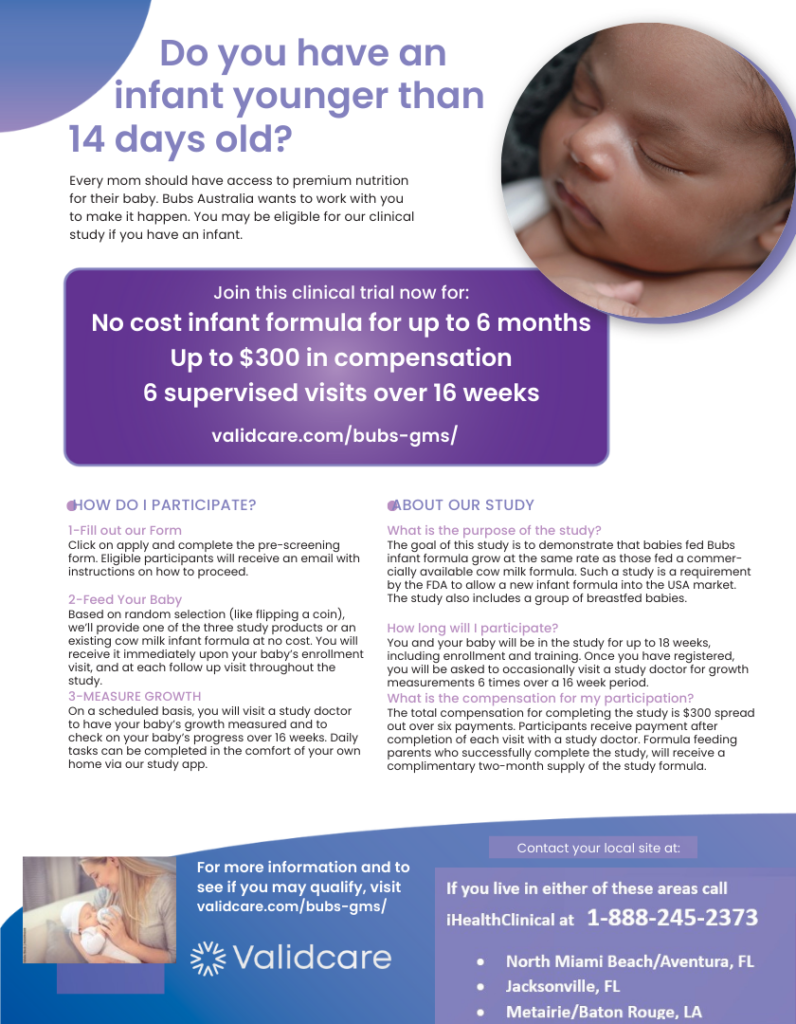
In clinical trials, each study listed on ClinicalTrials.gov offers a brief summary. This is a short description describing what the study is about, its purpose, design, and who can take part. But if that summary consists of technical terms and phrasing typical of academia, many people will have a hard time understanding it. It’s true for any patient or public facing materials.
Plain language:
Here are a few simple strategies for turning complex information into something anyone can understand.
Consider your audience before you write. The purpose of summarizing a clinical trial is not for other scientific professionals but for those affected by and those related to those affected by the condition that is being investigated.
Ask yourself:
Concentrate on the important stuff: why the research is being conducted, who may join, and how the research will be carried out. Omit the background information that isn’t important to answer these key points.
Jargon can be a barrier. Swap out technical terms for words most people use every day:
If you must use a scientific term, define it in plain language the first time it appears. Also, write out acronyms the first time you use them, for example, adverse event (AE) and keep your terminology consistent throughout.
And always use person-first, inclusive language:
These choices show respect and help make research more welcoming to everyone.
People absorb information better when it’s written in short, clear sentences, ideally with sentences of 15 words or fewer and paragraphs of three to five sentences. Cut filler words like “in order to” or “with respect to.” A simple sentence almost always reads better.
Structure is important. Always begin with the necessary stuff … the important point … then go on to the details. Background information is last if it is necessary at all. In other words, after the point that matters, provide supporting facts.
Use bullet points for lists and keep them short. That visual clarity helps readers scan and absorb information quickly.
Writing in plain language doesn’t mean to oversimplify your research; it means making it understandable, accurate, and meaningful. When you communicate clearly, you enable people to make well-informed decisions about their personal and research-related lives.
It is a way to bridge science and public understanding, which is where the power truly begins.

Neeba Wilson is an award winning clinical research professional who is passionate about the clinical research and pharmaceutical industries. She is the current President of Clinical Research Referral Club and she also is a Clinical Operations Support Specialist for Cornerstone Clinical Research Services. With a Master’s degree in Biotechnology and Graduate Certification in Clinical Research, Neeba brings over a decade of experience in research, pharmaceuticals, and life sciences. Her expertise includes training and expertise in Good Clinical Practice (GCP), Good Laboratory Practice (GLP), and Good Manufacturing Practice (GMP), along with robust skills in project management, quality control (QC), and quality assurance (QA). She also has experience as a scientific writer.