


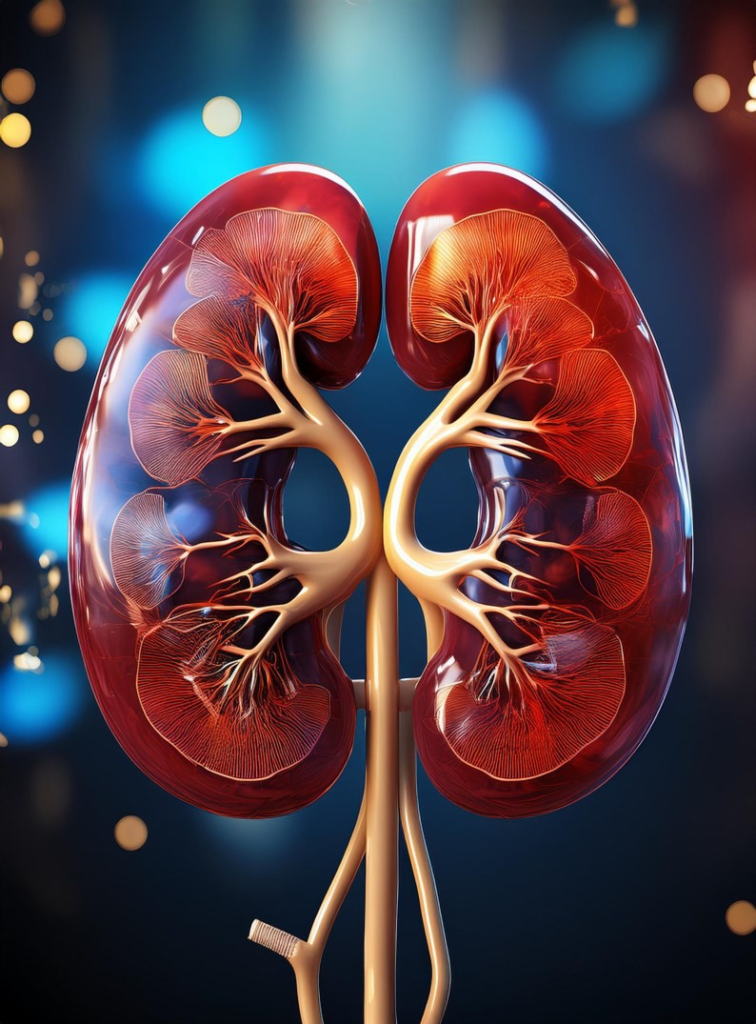
Kidneys are vital organs that perform essential functions that affect the overall health of the body, including filtering waste products, excess water, and other impurities from the blood. These waste products are stored in the bladder and later expelled through urine. Additionally, kidneys regulate pH, salt, and potassium levels in the body. They also produce hormones that regulate blood pressure and control the production of red blood cells. However, kidney diseases have emerged as a significant health concern worldwide, disproportionately affecting Black and Brown communities. This article aims to highlight the importance of kidney health, address the disparities in kidney disease prevalence, and offer tips for early detection and prevention.
Research shows that individuals from Black and Brown communities are at a higher risk of developing kidney diseases compared to their white counterparts. Factors contributing to this disparity include higher rates of diabetes and high blood pressure, socioeconomic factors, limited access to quality healthcare, and certain genetic predispositions such as susceptibility to conditions like focal segmental glomerulosclerosis (FSGS) and apolipoprotein L1 (APOL1) related kidney diseases.
Moreover, systemic issues such as healthcare bias and less access to early screening and treatment further exacerbate these disparities, leading to later-stage diagnosis when treatment options are limited and less effective.
Early detection of kidney disease is crucial for effective management and slowing the progression of the disease. Unfortunately, kidney diseases often remain undiagnosed until they have progressed significantly because they are asymptomatic in the early stages. Here are several tips for early detection and prevention, particularly aimed at individuals in high-risk groups:
Regular Check-ups
Regular medical check-ups that include blood and urine tests can help detect early signs of kidney dysfunction. Two key tests are the serum creatinine test, used to estimate the glomerular filtration rate (GFR), and the urine albumin-to-creatinine ratio (UACR), which checks for protein in the urine.
Healthy Lifestyle
Maintaining a healthy lifestyle can significantly reduce the risk of developing conditions that lead to kidney disease. This includes controlling blood sugar levels, managing blood pressure, maintaining a healthy weight, eating a balanced diet, quitting smoking, and limiting alcohol intake.
Education and Awareness
Education on the importance of kidney health and awareness of the risks of kidney disease are crucial. Community health initiatives and public health campaigns can play significant roles in these areas, especially in underserved communities.
Access to Healthcare
Improving access to quality healthcare, including preventive services and early treatment options, is vital in addressing the disparities in kidney disease prevalence among Black and Brown communities.
Maintaining a healthy lifestyle can significantly reduce the risk of developing conditions that lead to kidney disease. This includes controlling blood sugar levels, managing blood pressure, maintaining a healthy weight, eating a balanced diet, quitting smoking, and limiting alcohol intake.
Education on the importance of kidney health and awareness of the risks of kidney disease are crucial. Community health initiatives and public health campaigns can play significant roles in these areas, especially in underserved communities.
Improving access to quality healthcare, including preventive services and early treatment options, is vital in addressing the disparities in kidney disease prevalence among Black and Brown communities.
Kidney health is a pressing issue, particularly in Black and Brown communities where the prevalence of kidney disease is disproportionately high. Through education, early detection, and lifestyle modifications, the trajectory of kidney disease in these communities can be altered. It’s essential for healthcare providers to work towards equitable healthcare solutions and for individuals to take proactive steps in maintaining kidney health. Only through concerted efforts can we hope to address the disparities in kidney health and improve outcomes for all.
References

Hailey Gascoigne, PharmD is an award-winning Field Reimbursement Manager with a proven track record of driving patient access and delivering innovative solutions across the healthcare landscape.
With expertise spanning patient support, clinical research, and pharmaceutical market access, she has helped streamline reimbursement pathways, empower providers, and improve outcomes for patients navigating complex therapies.
Beyond her role in the field, Hailey is a recognized leader, published author, and mentor who is passionate about breaking barriers for underrepresented communities in healthcare. She co-founded Rxcellence, a global nonprofit dedicated to guiding students and professionals toward non-traditional pharmacy careers, and serves in leadership positions that advance diversity, equity, and professional development in the life sciences industry.
Known for her strategic thinking, executive presence, and patient-centric approach, Hailey continues to champion initiatives that bridge the gap between innovation and access—helping ensure that cutting-edge therapies reach the patients who need them most.