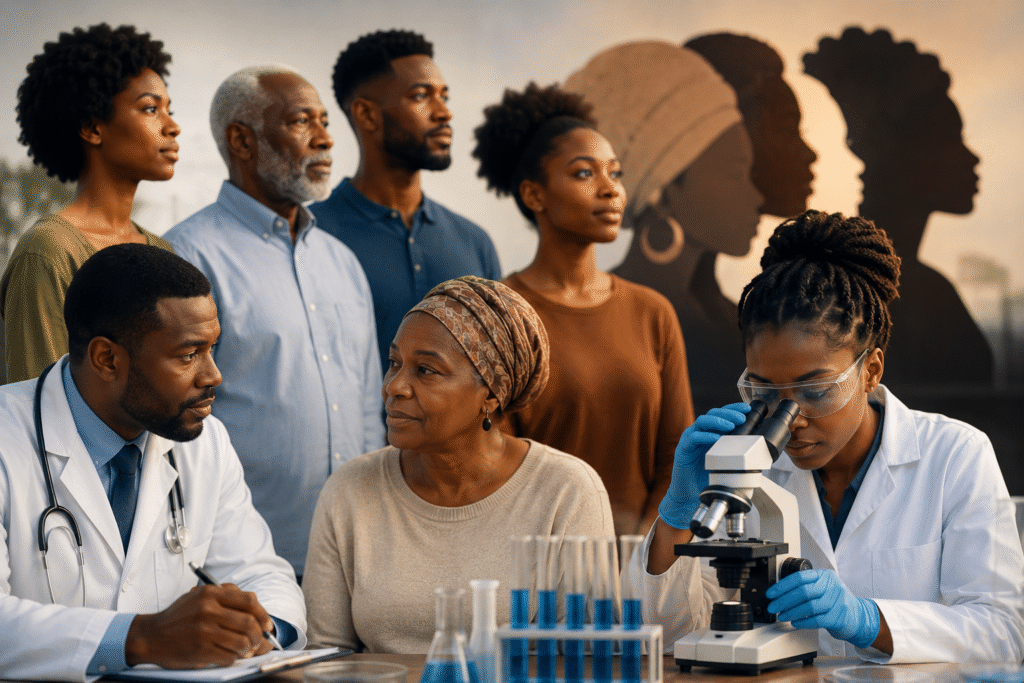

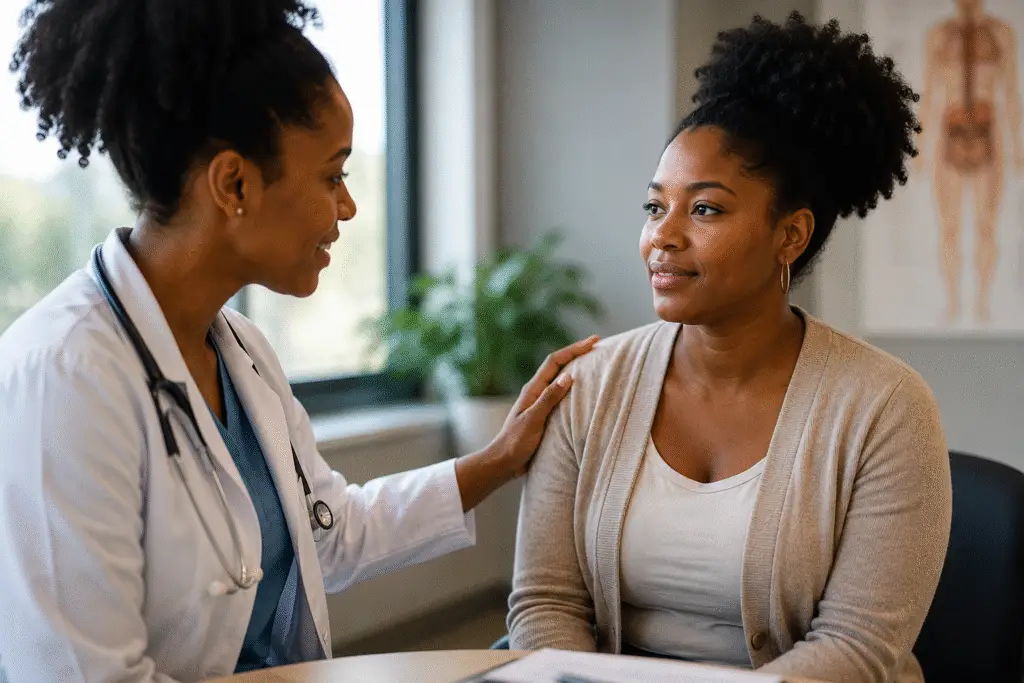

Clinical research plays an important role in the healthcare industry by improving and enhancement of patient care. Clinical trials results in treatment of a variety of diseases and disorders. Clinical trials give the participants the opportunity to receive the new, cutting-edge treatments while adhering to their current plan of care and improving the overall well-being of the participant. Although clinical trials focus on improvements of healthcare procedures and treatments, the clinical staff/research team is rarely discussed. The goal of this article is to spread awareness about the distinct thinking patterns and personalities of the research team.
The distinct thinking patterns are known as neurotypical and neurodivergent individuals. According to dictionary.com, a neurotypical is a person who does not display or is not characterized by autistic or other neurologically atypical patterns of thought or behavior.¹ In other words, the individual with a neurotypical brain develops and work like other people’s brains. Neurodivergent, however, refers to a differing in mental or neurological function from what is considered typical or normal. Unlike the neurotypical brain, neurodiversity has a spectrum of different conditions. The most common neurodiverse disorders that are recognized are the following: autism spectrum disorder, attention deficit hyperactivity disorder, down syndrome, Tourette syndrome, dyslexia, dysgraphia, dyscalculia, and dysprasia.²
With all this information about neurotypical and neurodivergent terms, you may be wondering, “What does this have to do with clinical research and the research staff?” Glad you asked. There are already neurodivergent individuals working in the clinical research industry. These individuals contribute to clinical due to unique strengths such as deep focus, pattern recognition, and innovative problem-solving, which can significantly boost team productivity.³ The main challenges neurodivergent individuals face in the workplace are: cognitive overload, stigma and lack of support, inflexible work environments, and emotional exhaustion, especially from masking. These challenges may have negative results on the clinical trial by affecting the integrity of the study.
In conclusion, it is very important for all places of employment to have a neuro-inclusive environment, in which all members of the research team will be comfortable and understanding, resulting in a positive experience for co-workers and participants. A Deloitte Report states teams with neurodivergent professionals in some roles can increase productivity by 30%.³ So when you encounter an individual who maybe quirky, have a tendency to think outside the box, please keep in mind this person maybe neurodivergent and could possibly have a positive impact in a clinical trial.
REFERENCE

Nakia L. Miller is an accomplished Assistant Medical Writer with extensive expertise in clinical research and a steadfast commitment to advancing healthcare through evidence-based practices. Her professional objective is to make significant contributions to clinical research by utilizing her strong interpersonal, technical, and organizational skills to improve patient outcomes and further scientific innovation.
Nakia earned a Master of Science in Biotechnology from Claflin University, a Bachelor of Science in Biology from Morris College, and a Certificate in Medical Laboratory Science from Prisma Health, providing her with a solid scientific foundation in medical writing and research.
Raised in a military family and born in Heidelberg, Germany, she brings valuable multicultural insights and possesses introductory conversational abilities in German, Spanish, and American Sign Language (ASL). In addition to her clinical research pursuits, Nakia is committed to achieving fluency in ASL to serve as a medical interpreter for individuals who are deaf or hard of hearing.