
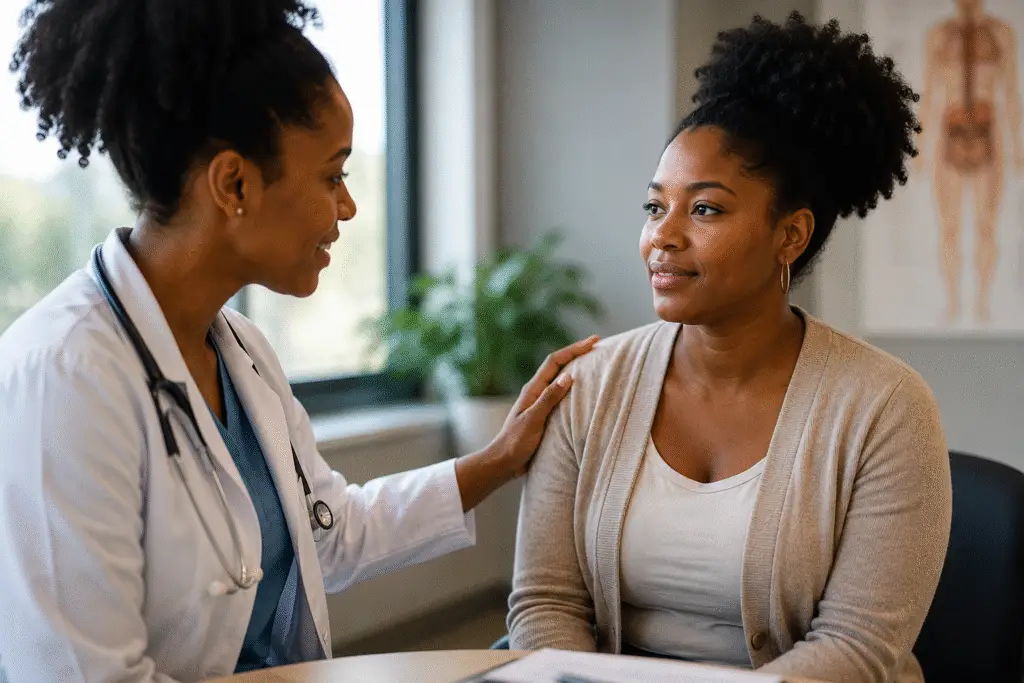

When most people picture clinical trials, they imagine large academic hospitals, pharmaceutical companies, or sprawling research institutions. What they often overlook are the community health centers (CHCs) quietly playing a vital role in the clinical research ecosystem particularly in bringing clinical innovations to populations that are often underrepresented in traditional research settings.
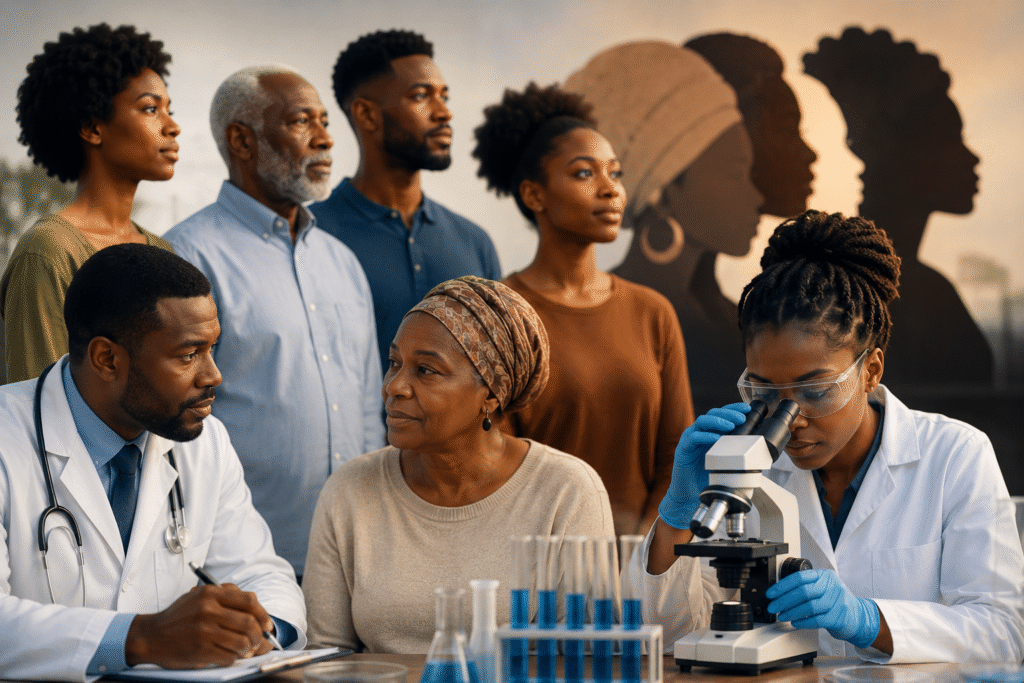
Community health centers are locally based, patient directed organizations that provide comprehensive primary care, preventive services, and health education. They serve more than 30 million Americans annually, many of whom are from underserved or vulnerable communities, including racial and ethnic minorities, rural populations, and those living at or below the poverty line.
These centers are trusted institutions. For patients who may lack access to regular healthcare or insurance, CHCs are often the first and sometimes only touchpoint with the medical system. This trust places CHCs in a unique position to foster clinical research participation among populations that have historically been excluded or hesitant to engage in research.
Clinical trials have long faced challenges in recruiting diverse participants. Without diverse enrollment, trial results may not fully represent how a drug or therapy works across different populations. Community health centers provide a solution: they directly engage with the very communities that are underrepresented in research, from African American and Hispanic populations to rural and low-income groups.
Integrating clinical research into CHCs can:
Clinical research at CHCs often focuses on:
While the benefits are clear, conducting clinical research in CHCs is not without hurdles. Limited infrastructure is a major barrier many centers lack the dedicated research staff, space, and technology (e.g., electronic data capture systems) required for study management. Additionally, time constraints for busy clinicians can make research participation difficult, and funding for building research capacity is often limited.
However, these challenges are not insurmountable. Organizations like the National Association of Community Health Centers (NACHC) and collaborations with academic institutions or Contract Research Organizations (CROs) have helped CHCs integrate research into their clinical operations.
Partnerships between sponsors, CROs, and CHCs are key to successfully conducting research in these settings.
For example:
The shift toward decentralized clinical trials (DCTs), powered by telemedicine and remote monitoring, is opening new doors for CHCs. With reduced requirements for patients to travel to academic medical centers, more trials can be conducted where people already receive care right in their communities.
Key trends driving future growth include:
When clinical research thrives in community health centers, everyone benefits. Patients gain early access to potentially life saving therapies. Researchers get real world data that reflects the diversity of the population. Sponsors build trust and broaden their trial reach. Most importantly, these efforts bring us closer to a healthcare system that works for all not just the few.
Clinical research has the power to transform lives, but only when it’s inclusive and accessible. Community health centers are the frontlines of this transformation. By fostering partnerships, investing in infrastructure, and prioritizing diversity, CHCs can become pivotal players in shaping the future of medicine.

Myra Fonville is the Executive Editor of Interim Visits magazine. Myra is a former pharmacist who has worked in the clinical research industry for the past 28 years. She brings a wealth of knowledge about pharmacy, pharmaceuticals and clinical research. Myra is very passionate about diversity and health equity which is one of the primary reasons Interim Visits is educating the public about the importance of clinical trials.